
(Due to the different topics to be covered, this is the first part of a five part series)
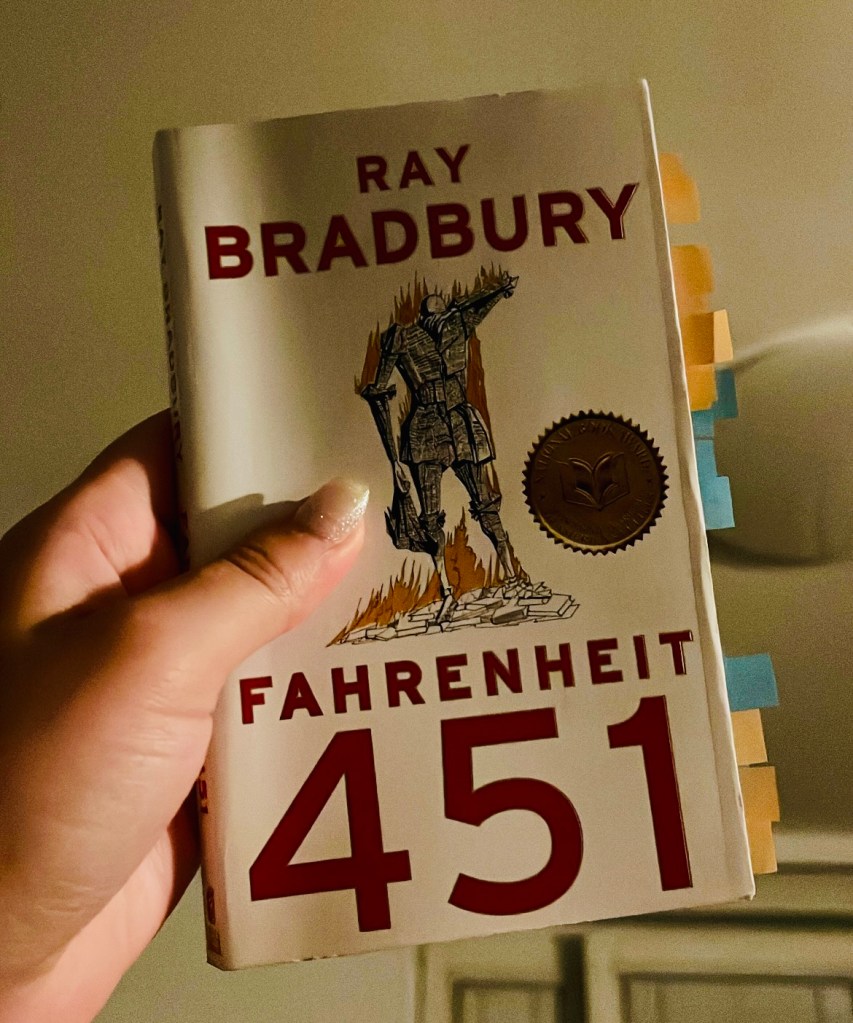
Imagine: a world where life’s sole purpose is to consume endless and senseless amounts of entertainment. A world where kids are considered a burden, unwanted and unwelcome. A world plunged in wars. A world in which real interpersonal connection is easily dismissed in the pretext of personal independence. A world in which the only thing that matters is the amount of screens available to you. Is it hard to imagine or does it sound familiar?
This is the world of Ray Bradbury’s master novel Fahrenheit 451, first published in 1953. The story takes place in a dystopian future in which literature is outlawed, firemen are called to start fires instead of to extinguish them, and television rules all aspects of life. And while initially a work of fiction, one cannot help but draw the many eerie parallels between the novel and reality and realise that what was once considered a ‘dystopian future’ is rather a dystopian present, and we didn’t even need to burn books to get here.
It was unsettling, to say the least, to read a novel of fiction written around seventy years ago describing so many issues present in modern day society: the proliferation of parasocial relationships, the diminishing capacity of critical thinking, the shortening of attention spans, and the driving factor of it all: screens and the endless vapid catalogue of entertainment. And yet, instead of filling me with despair it has motivated me to reflect on these parallels, if not for myself then at least to try and answer Montag’s question: ‘where do we go from here?’.

 Writing is permanence
Leave a comment